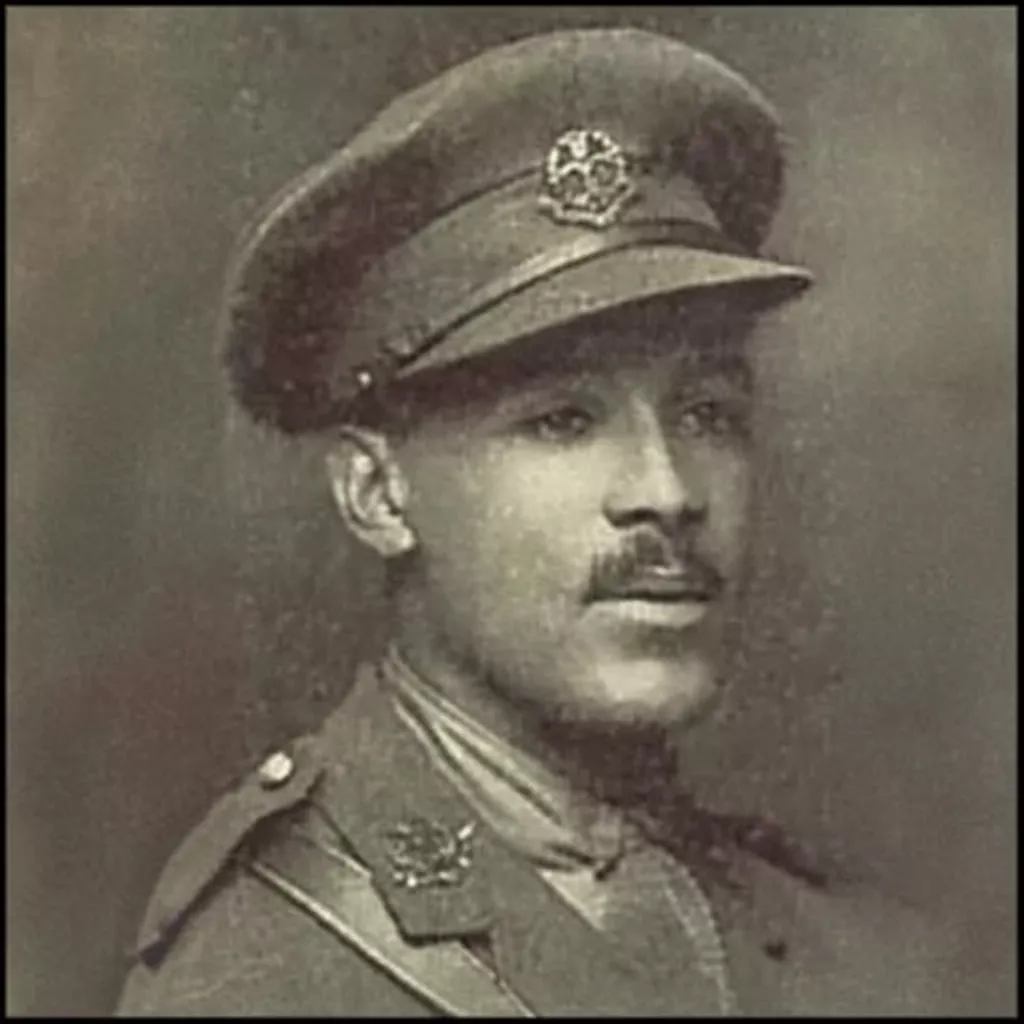
Today, we're discovering the incredible story of Walter Tull, a talented footballer, brave soldier, and true pioneer who broke barriers both on and off the field.
His journey took him from the football pitches of England to the battlefields of the First World War, where he became one of the most remarkable figures in British history.
Who Was Walter Tull?
Walter Daniel John Tull was born on 28 April 1888 in Folkestone, Kent. His father, Daniel Tull, came to Britain from Barbados, while his mother, Alice, was English. Sadly, Walter lost both of his parents while he was still young and spent part of his childhood in a children's home alongside his brother Edward.
Despite these difficult beginnings, Walter developed a love for football and quickly showed great talent. At a time when very few mixed-heritage players were seen in professional football, Walter was determined to make his mark.
A Football Pioneer
Walter's football career began with Clapton Football Club, one of England's leading amateur teams. During his time there, he helped the club win the FA Amateur Cup in 1907, one of the biggest achievements in amateur football.
His performances were so impressive that the football newspaper The Football Star described him as "the catch of the season" when Tottenham Hotspur signed him in July 1909.
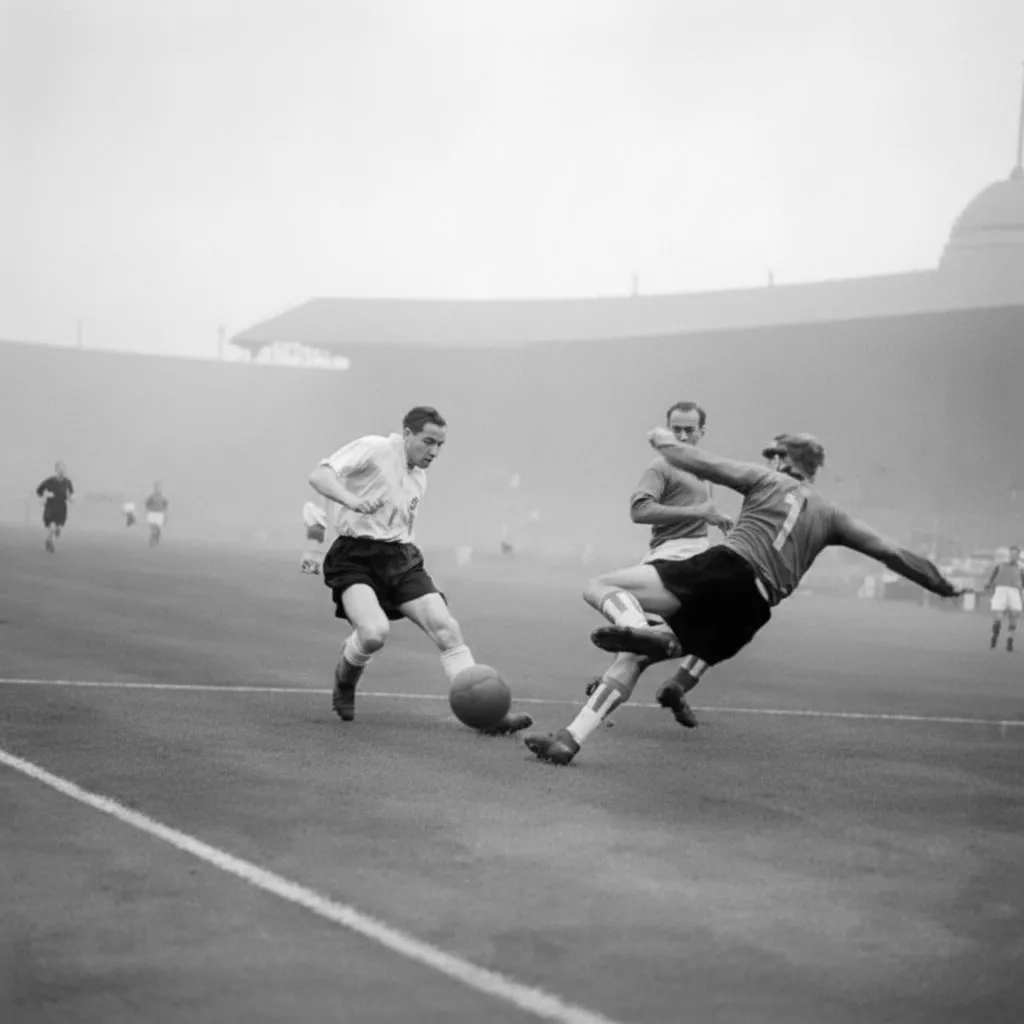
Walter made his Tottenham debut on 11 September 1909, playing as an inside forward against Sunderland. Shortly after, he made his home Football League debut against the reigning FA Cup holders, Manchester United, in front of more than 30,000 spectators.
At a time when very few mixed-heritage players were seen in professional football, Walter became one of the first to compete in the First Division, the highest level of English football.
However, his success came with challenges. During a match against Bristol City in October 1909, he was subjected to racist abuse from spectators. Despite this, Walter showed remarkable strength and professionalism, refusing to let prejudice define his career.
In October 1911, Walter signed for Northampton Town, where he would become one of the club's most respected players. Over the next three years, he made more than 100 appearances for the Cobblers, quickly becoming a fan favourite and a key figure in the team.
Today, Walter is remembered as one of Northampton Town's greatest footballing heroes.
From Football Pitch to Battlefield
When the First World War began in August 1914, many footballers put their careers on hold to serve their country.
In December 1914, Walter became the first Northampton Town player to enlist in the British Army. He joined the famous Football Battalion, officially known as the 17th Battalion of the Middlesex Regiment, which brought together professional footballers, referees, and supporters.
Walter served on the Western Front in France, where he quickly gained a reputation as a reliable and courageous soldier. His leadership skills stood out, and he steadily rose through the ranks despite the barriers faced by mixed-heritage soldiers at the time.
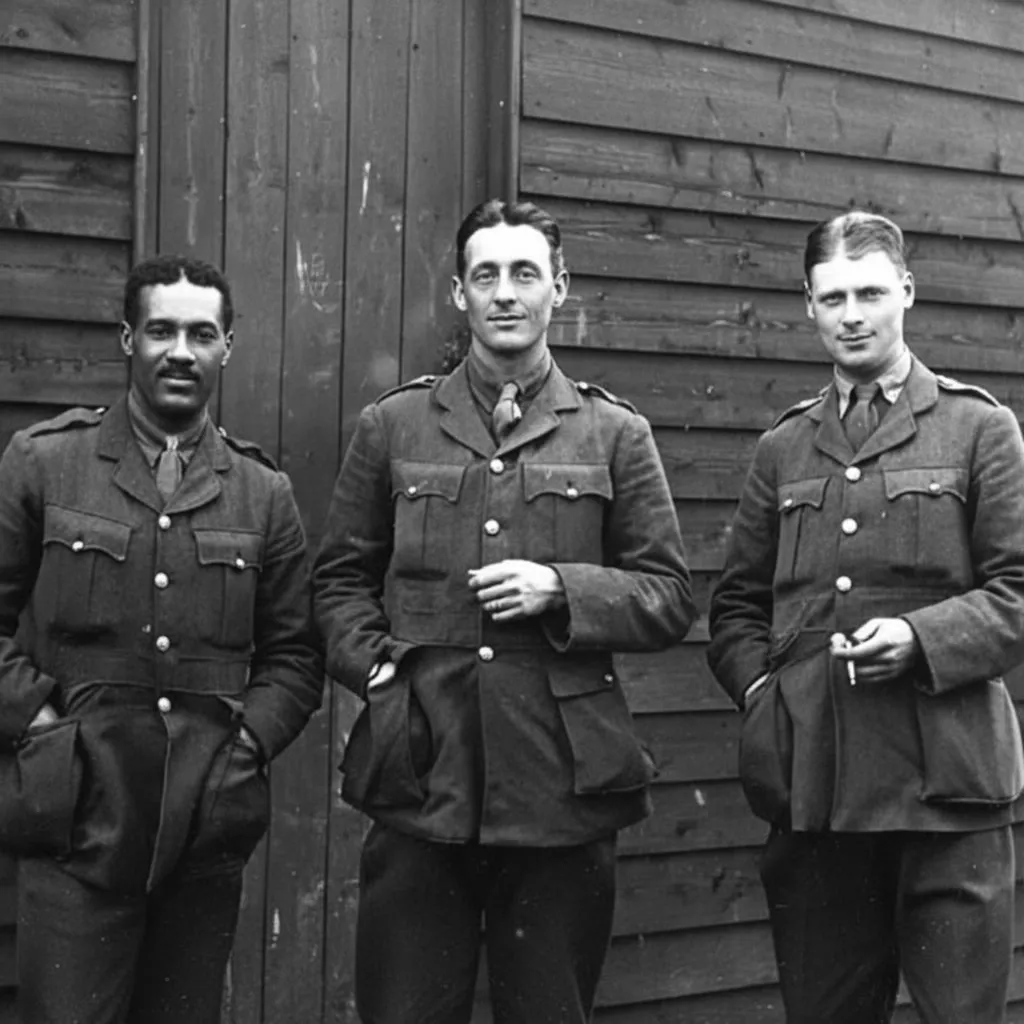
His ability was formally recognised on 30 May 1917, when he was commissioned as a Second Lieutenant, making him one of the first mixed-heritage infantry officers in the British Army.
A Hero of the First World War
Walter's military achievements were just as remarkable as his football career.
After becoming an officer, he served with the 23rd Battalion of the Middlesex Regiment and later fought on the Italian Front. In January 1918, he led a dangerous night operation across the fast-flowing Piave River, guiding 26 soldiers into enemy territory and returning every man safely.
For his leadership under extreme pressure, Major-General Sydney Lawford praised Walter for his "gallantry and coolness", recognising both his bravery and calm decision-making in the heat of battle.
Tragically, Walter's story came to an end on 25 March 1918, during the German Spring Offensive in France. He was just 29 years old, and his body was never recovered.
A Lasting Legacy
Although Walter Tull's life was cut short, his impact continues to be felt today.
Following his death, both Major Poole and Second Lieutenant Pickard stated that Walter had been recommended for the Military Cross, with Pickard writing that he "had been recommended for the Military Cross and certainly earned it." No official record survives, likely due to the destruction of many military files during a fire in 1940.
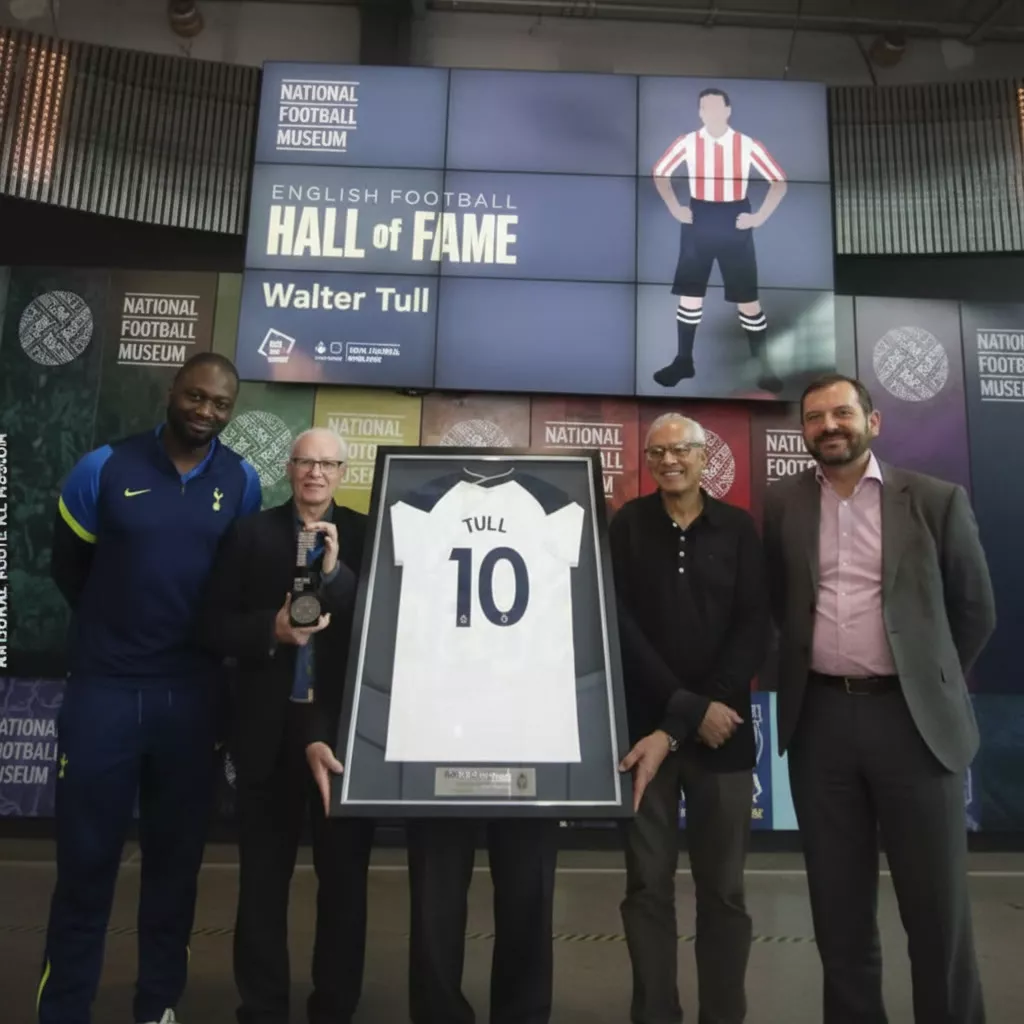
His achievements in the game have since been recognised beyond his playing career, with Walter later being inducted into the English Football Hall of Fame in 2005, cementing his place in the history of the sport.
In more recent years, historians and campaigners including Phil Vasili and Brian Binley have worked to ensure Walter receives the recognition he deserves, including calls for a statue and a posthumous Military Cross.
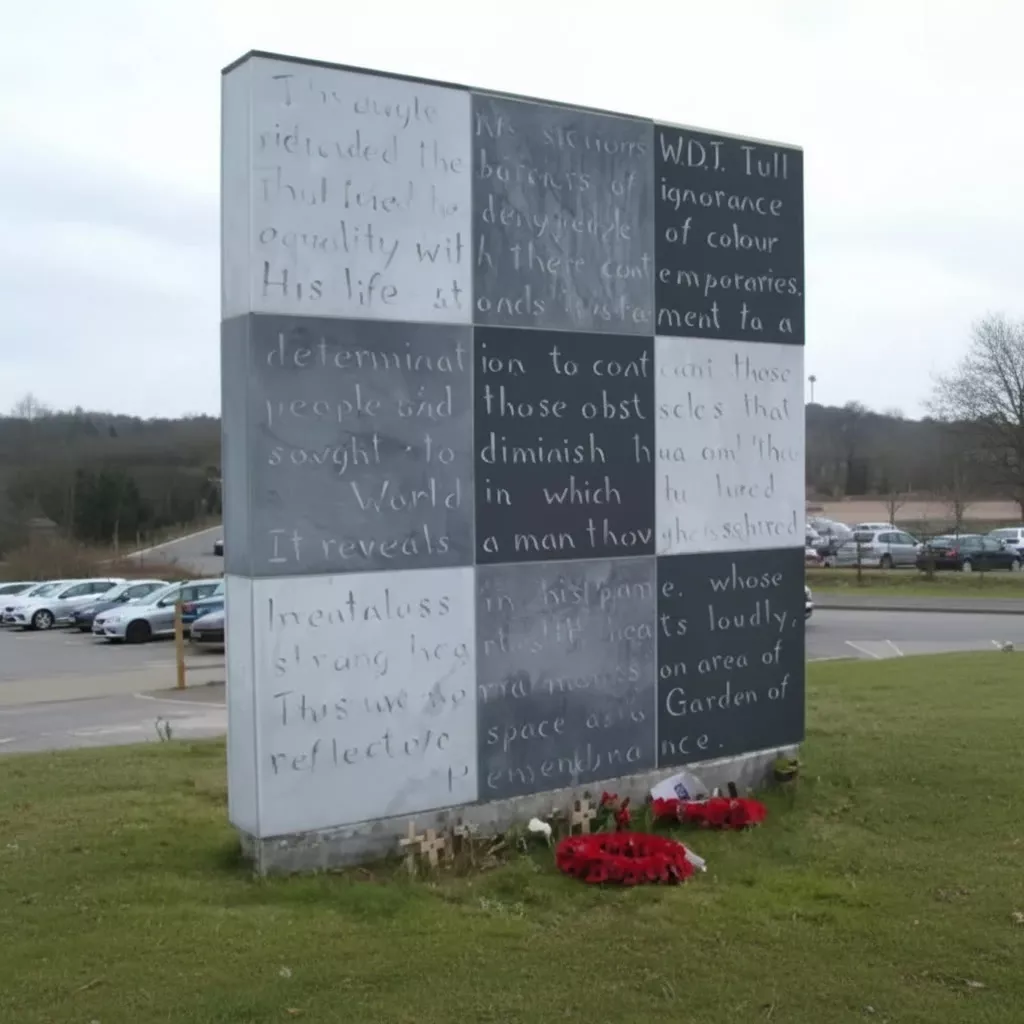
Today, Walter's story is remembered by football clubs, historians, museums, and educational organisations across Britain.
Why Do We Remember Walter Tull?
Walter Tull's story is about far more than football or war. It is about courage, resilience, and breaking barriers in the face of adversity.
As one of the first mixed-heritage professional footballers, the first Northampton Town player to enlist during the First World War, and one of the first mixed-heritage officers in the British Army, Walter achieved extraordinary things in a short life.
More than 100 years after his death, he remains an inspiring figure whose legacy continues to show that determination and character can overcome even the greatest challenges.