Exploring the Cultural Significance of African, Asian, and Aztec Masks: A Guide to Their History and Meanings.
Masks from Africa, Asia, and the Aztec Empire are significant components of traditional cultural heritage and have a long, illustrious history. These masks have been utilised for a variety of rituals, dances, religious events, and tribal practises. This blog will examine the background, function, significance, and examples of these masks as well as the evolution of tribal art.
African Masks
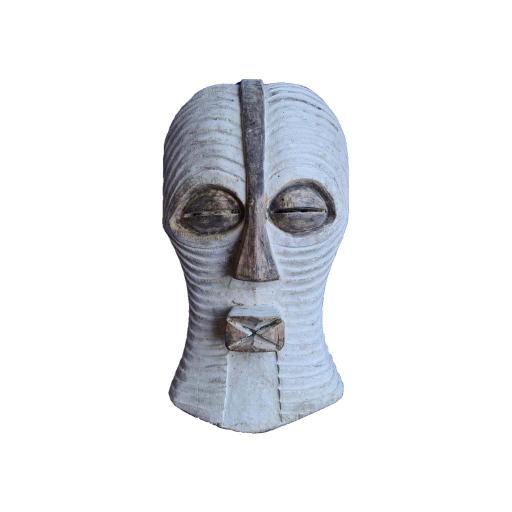
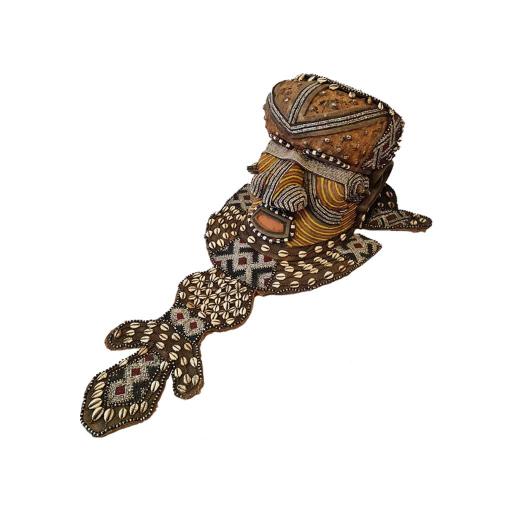
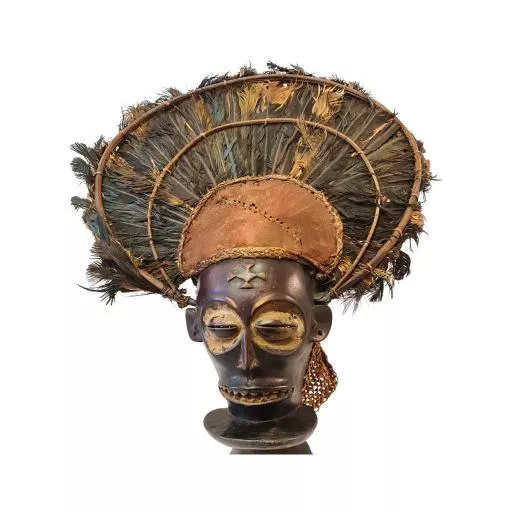
African masks are regarded as some of the most exquisite and varied in the entire globe. African culture has used masks for hundreds of years and they are an essential component of everyday life there. African masks were employed in a variety of rituals and ceremonies, such as ancestor worship, harvest celebrations, initiation rites, and healing rituals. The complex carvings and decorations on the masks, which were said to have spiritual power, and were thought to reflect the beauty and strength of the spirits they symbolised.
The Pende mask, which was utilised in the religious rituals of the Pende people, is one of the most popular types of African masks. Large, stylised faces with gaping lips, big noses, and carved features distinguish these masks. The Pende masks were thought to provide luck and protection to the community and were frequently used in religious rites to represent the spirits of ancestors.
The Dan mask, which was utilised in the rites and dances of the Dan people, is another well-known form of African mask. These masks are renowned for their elaborate carvings and decorations as well as their broad, elongated features. The Dan dances were done to honour ancestors and bring luck to the community since it was thought that the masks had mystical power.
African masks were frequently carved from wood and painted or ornamented with elaborate designs. The carvings on the masks were thought to represent the creators' spirits and worldviews. To give the masks even more spiritual force, certain African civilizations also added feathers, beads, and other materials to them.
Asian Masks.
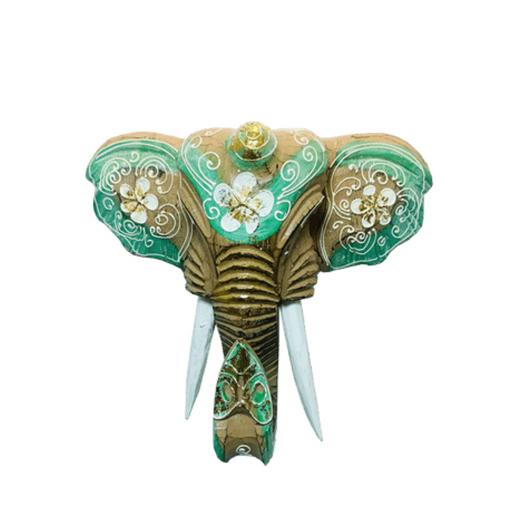
The history of Asian masks is long and varied, going back thousands of years. In Asia, masks were worn for a variety of activities, such as religious rituals, dances, and theatrical productions. Aside from being used in shamanic rituals, Asian masks were also thought to have the ability to speak with spirits, bring luck to the community, and provide protection.
The Noh mask, which was used in Japanese Noh theatrical performances, is one of the most well-known varieties of Asian masks. The stylized, abstract designs that make up Noh masks are intended to convey the emotions and personalities of the figures they represent. Wooden Noh masks are frequently painted in vibrant colours and embellished with elaborate carvings.
The Kathakali mask, which was utilised in Indian Kathakali dance performances, is another well-known variety of Asian mask. The enormous, stylized faces and complex carvings and decorations of Kathakali masks are well renowned. The masks were used to convey the emotions and characteristics of the individuals they depicted. They were frequently painted in vibrant colours and embellished with gold leaf.
Asian masks were frequently carved with beautiful designs and painted with vibrant hues. They were frequently made of materials including wood, metal, and papier-mâché. The masks were a significant component of Asian culture and legacy, and it was thought that the designs on them reflected the ideas and ideals of the individuals who crafted them.
Asian masks are frequently on exhibit in museums and galleries all around the world since they are now regarded as priceless pieces of art. However, many Asian communities continue to acknowledge their historic relevance and importance, and they continue to play a significant part in Asian culture and heritage.
Aztec Masks.
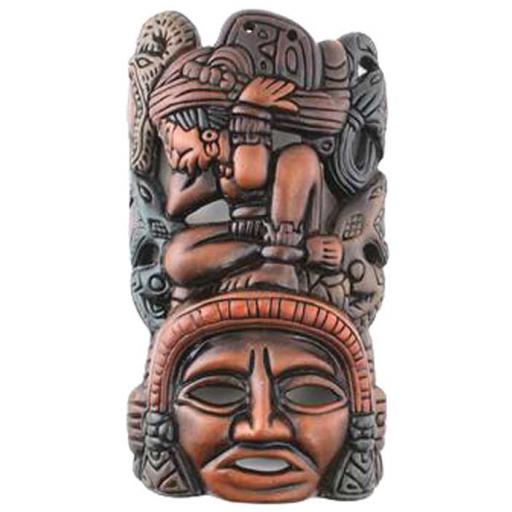
One of the most developed civilizations in antiquity was the Aztec one, and masks played a significant role in their legacy and culture. Aztec masks were used during religious rituals, dances, and plays, and they were thought to have supernatural power and control over the environment.
The Xochipilli mask, which was used in religious rituals to worship the god of flowers, Xochipilli, is one of the most well-known varieties of Aztec masks. These masks were frequently made of gold and ornamented with dexterous carvings, elaborate designs, and vibrant hues. They were seen as having the ability to improve the community's fertility, abundance, and prosperity.
Aztec masks were frequently carved with beautiful designs and painted with vibrant hues. They were frequently constructed of materials like gold, wood, and jade. The carvings on the masks were a significant component of Aztec culture and history since it was thought that they reflected the civilization's ideals and values.
These days, Aztec masks are frequently on exhibit in museums and galleries all around the world since they are now valued as great works of art. However, many communities continue to acknowledge their cultural relevance and importance, and they continue to play a significant part in Mexican culture and tradition.
Tribal Art.
The term "tribal art" describes the conventional artwork and handicrafts created by indigenous peoples, such as African, Asian, and Aztec groups. The characteristics of tribal art include its simplicity, naturalism, and detailed forms and patterns. It frequently represents the beliefs, values, and traditions of the groups who created it.
For thousands of years, tribal art has played a significant part in traditional civilizations, and it still does in many modern communities. In addition to being used to convey ethnic identity and preserve cultural legacy, tribal art is frequently employed in religious rites, rituals, and festivals.
Wood, metal, clay, and cloth are common materials used in tribal art, and it is frequently embellished with exquisite carvings, patterns, and colours. Tribal artwork frequently incorporates natural and animal themes as well as the beliefs and values of the people that created it.
Tribal artwork is frequently exhibited in museums and galleries all around the world since it is now regarded as a valuable type of art. However, many communities continue to recognise its historic value and relevance, and it continues to play a significant role in traditional traditions and heritage.
Conclusion
Masks from Africa, Asia, and the Americas have a long and varied history that spans thousands of years. They are a significant component of traditional cultural legacy. These masks were considered to have spiritual power and control over the natural world and were utilised for a variety of rituals, religious rites, dances, and tribal practises.
Tribal art is an essential component of traditional cultural history and is still highly valued in many communities today. The rich cultural heritage and aesthetic traditions of these civilizations are reflected in the traditional forms of art, whether they be tribal artwork, African, Asian, or Aztec masks. They serve as a means of preserving cultural identity and heritage and represent the beliefs, values, and traditions of the communities who created them.
These masks and other tribal artefacts are works of skill and craftsmanship due to their elaborate designs, patterns, and colours. These artistic creations are still enjoyed and valued by people all around the world, and they continue to motivate future generations of creators and art admirers.
In conclusion, tribal art and African, Asian, and Aztec masks are not only exquisite pieces of art; they also have a deep cultural past and meaning. These traditional forms of art continue to play a significant role in safeguarding cultural identity and heritage for future generations, whether they are on display in museums and galleries or are used in customary ceremonies and rituals. They serve as a reminder of the rich cultural heritage and traditions of these civilizations.